Lawn Care Services: Develop a Lush, Green Yard Year-Round
Lawn care providers offer vital knowledge in discover details on preserving a thriving, vibrant yard throughout the year. These professionals assess multiple factors, such as ground composition and local climate, to create tailored upkeep plans. Their emphasis on environmental responsibility and quality equipment enhances both the look and worth of residential properties. Comprehending the intricacies of lawn care can lead to educated decisions. Yet, many homeowners often overlook critical elements that can impact their outdoor space.
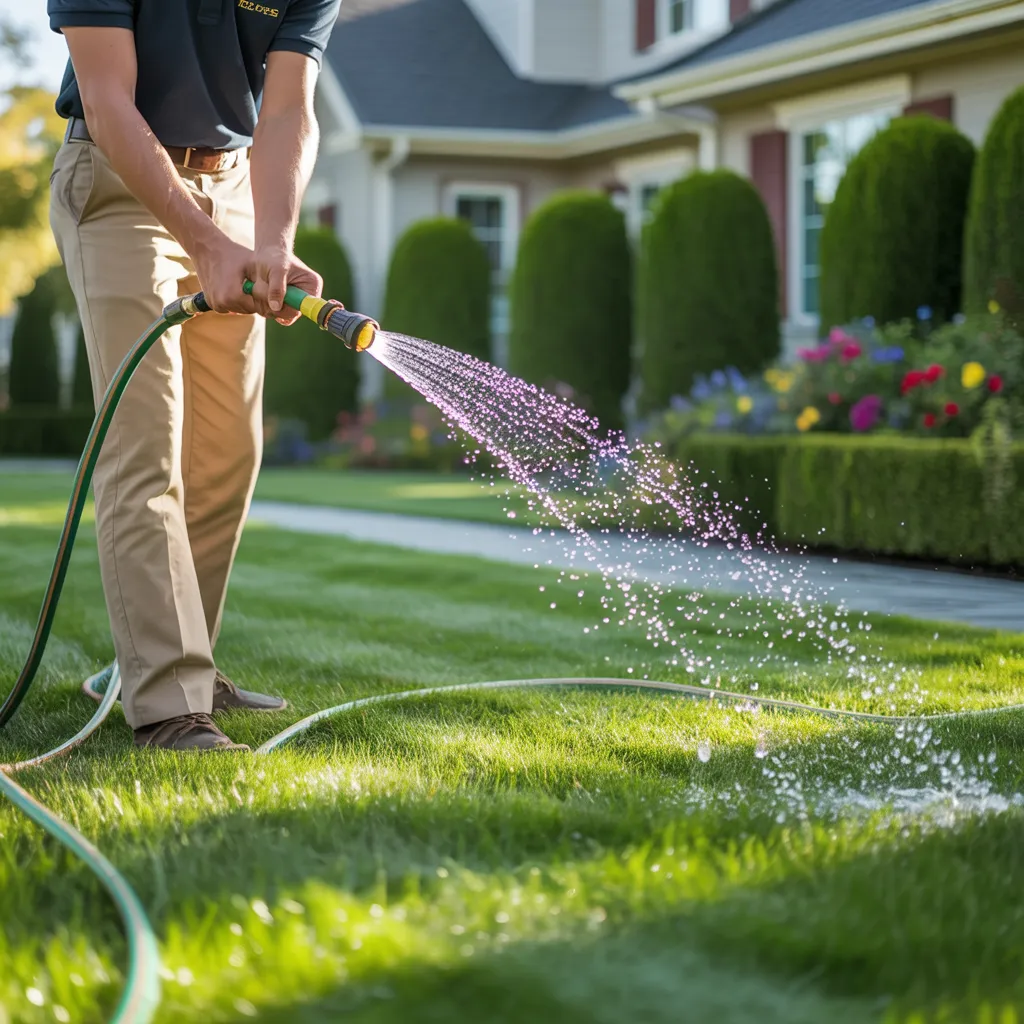
What Advantages Does Expert Lawn Care Deliver?
Professional solutions for lawn care present many benefits that enhance both the visual charm and condition of residential and commercial properties. These services present expert guidance in grass maintenance, ensuring that lawns obtain the correct care for optimal growth. A well-maintained lawn increases property worth and generates an inviting atmosphere, proving it vital for homeowners and businesses alike.
Likewise, professional grounds services integrates individualized service plans that address distinctive soil compositions, grass species, and local environmental factors. This tailored program minimizes routine problems such as damaging insects, invasive plants, and fungal conditions. Similarly, such packages commonly use excellent tools and nature-friendly solutions, advancing sustainability while delivering exceptional performance. Regular care also reduces work and commitment for home proprietors, enabling them to devote attention to other priorities. In the end, investing in professional lawn care not only cultivates a vibrant landscape but also enhances a healthier environment.
How Do Seasonal Changes Impact Grass Maintenance?
Periodic variations greatly influence lawn care practices. Variations in temperature and rainfall patterns directly affect grass growth and maintenance requirements. Furthermore, effective lawn care necessitates customized nutrient application methods to align with these seasonal changes.
Temperature Shifts Influence Expansion
As temperatures fluctuate throughout the year, the growth patterns of grass and other plants in lawns are considerably affected. In spring, warmer temperatures encourage growth, prompting grass to flourish and thrive. Conversely, summer heat can cause stress, resulting in some grass types to enter dormancy, producing a brownish appearance. During autumn, cooler temperatures allow for rejuvenation and growth before winter dormancy sets in. Winter's low temperatures halt growth altogether, requiring careful monitoring to prevent damage from frost. Understanding these temperature variations is essential for proper lawn care, as they determine appropriate watering, fertilization, and mowing practices. By adapting to seasonal changes, homeowners can maintain a vibrant, healthy lawn year-round.
Rainfall Variations and Servicing
While precipitation trends greatly influence grass maintenance, understanding their variability is vital for ideal maintenance. Distinct seasonal changes bring distinct precipitation levels, impacting ground hydration and grass growth. In spring, regular precipitation can boost rapid growth, necessitating frequent mowing and correct watering practices. Conversely, summer may bring drought periods, necessitating supplemental watering to prevent drought stress. During fall, fluctuating precipitation can affect leaf litter decomposition, impacting nutrient availability. Winter poses its own challenges, as frozen ground can restrict moisture intake, making it important to ready the lawn before the cold sets in. By adapting maintenance practices to match rainfall variations, homeowners can guarantee a thriving, lush turf throughout the year.
Seasonal Nutrient Tactics Called For
A appropriately scheduled nutrient application plan can markedly enhance grass health throughout the year. Climate shifts significantly influence nutrient demands, making necessary customized approaches. In spring, fast-acting fertilizers support vigorous growth as the grass comes out of dormancy. Late spring might profit from time-release formulations to preserve energy during warmer months.
When summer warmth peaks, nitrogen-heavy treatments can enhance stress resilience. In fall, a balanced fertilizer prepares the lawn for winter, promoting root development and nutrient storage. Winter treatments, though uncommon, can support soil health.
Year-Round Grass Maintenance Services
Year-round lawn care services guarantee that a property remains lush and thriving through every season. These comprehensive plans encompass a range of essential services, including regular mowing, aeration, and weed control, customized to meet the specific needs of different climates and grass types. By implementing a regular routine, lawn care professionals can effectively prevent issues such as pests, diseases, and nutritional lacks that often arise throughout the year.
During spring, treatments concentrate on feeding and renewal, whereas in summer, the focus shifts to proper irrigation and pest management. Autumn care encompasses overseeding and winter preparation of the lawn, ensuring strength to withstand cold. In the winter months, tailored treatments may include snow clearance and shielding the lawn from extreme weather. Ultimately, continuous lawn care give homeowners the confidence that their lawns will thrive, improving the general attractiveness and market value of the property.
How to Pick the Top Lawn Care Package
How can property owners select the ideal lawn care plan for their requirements? First, they should assess their lawn's specific requirements, including size, grass type, and existing issues such as pests or diseases. Comprehending local climate conditions is also essential, as it influences the type of care needed throughout the year.
Subsequently, homeowners should review offered options, such as fertilization, weed management, and aeration. They might consider a comprehensive package that encompasses all aspects or select a more customized approach based on their lawn's particular requirements.
Furthermore, assessing customer feedback and requesting referrals can offer understanding of the dependability and efficiency of multiple companies.
Finally, budget limitations should be taken into account. Homeowners should look for a plan that achieves equilibrium between quality services and affordability, making sure they get ideal care without overspending. This thoughtful approach will result in a vibrant, healthy lawn year-round.
Dodging Frequent Turf Management Problems
Failing to maintain your grass adequately can create a variety of challenges that affect a turf's overall health and look. One typical issue is watering excessively, which can starve roots of air and foster disease spread. In contrast, insufficient water can lead to brown, dry spots. In addition, numerous homeowners fail to cut grass at the right level, which can harm the turf and encourage unwanted plants. Applying worn-out blades makes this worse, damaging grass fibers rather than slicing it neatly.
Another frequent mistake is applying plant nutrients improperly. Excessive fertilizing can lead to nutrient runoff and damage local environments. Furthermore, ignoring soil health, such as pH levels and compaction, can impede lawn development. In conclusion, neglecting seasonal variations in lawn care needs can prevent peak health. By paying attention to these frequent mistakes, homeowners can guarantee their lawns remain healthy and green throughout the year.
DIY Grass Maintenance Advice Between Professional Appointments
Building a robust lawn requires ongoing care, especially between expert visits. Property owners can deploy several do-it-yourself tips to guarantee their lawns stay lush. First, regular mowing is vital; trimming turf at the right level encourages more extensive root growth and reduces unwanted plant proliferation. Additionally, preserving keen mower edges is critical for neat cuts.
Watering practices also are crucial. It is wise to water deeply but at intervals, allowing the soil to absorb moisture while preventing water from running off the surface. Early morning is the most suitable time for watering, reducing evaporation.
Apply fertilizer with restraint. A gradual-release fertilizer can furnish essential nutrients without saturating the turf. Homeowners should also check for pest and disease issues, resolving issues rapidly to forestall harm.
Conclusively, lawn aeration, especially during growing seasons, allows for increased aeration and nutrient distribution, promoting a verdant and flourishing appearance. Executing these practices can greatly enhance lawn health outside of professional service appointments.
Often Requested Questions
How Regularly Should I Wet My Grass During Summer?
Throughout summer, typical lawns need frequent irrigation two to three times weekly. Every watering instance must supply about one inch of water, ensuring thorough root penetration while preventing excess moisture that may lead to fungal development.
Which Kinds of Grass Work Best in My Region?
Cool-season grasses like Kentucky bluegrass and fescue succeed in northern regions, whereas warm-season varieties including Bermuda and zoysia work best for southern climates. Selecting the right type enhances lawn health and toughness.
Do Lawn Care Services Supply Bug Control Help?
Yes, grass care professionals can assist pest control. They deliver treatments to control pests efficiently, guaranteeing the health of the lawn while avoiding deterioration. Professional expertise helps maintain a balanced ecosystem within the yard.
How can I tell if my lawn needs fertilization?
Signs indicating a lawn requires fertilization include yellowing grass, poor growth, and sparse areas. Soil testing can also reveal nutrient deficiencies. Monitoring these factors helps determine the necessity for fertilization to encourage healthy grass development.
What Machinery Do Professional Contractors Operate for Grass Care?
Professionals utilize a range of tools for grass maintenance, such as mowers, trimmers, blowers, aerators, and sprayers. Each tool serves specific purposes, ensuring efficient maintenance and encouraging robust development throughout the seasons.